





Filter




About Shop All Outdoor Shading
Outdoor shading covers a wide range of structures and accessories that block sun, reduce heat, and create comfortable areas outside. From shade sails to pergolas, each type serves a different purpose depending on your space. Knowing the differences helps you choose the right solution for your patio, deck, or backyard.
Types of Outdoor Shade Structures
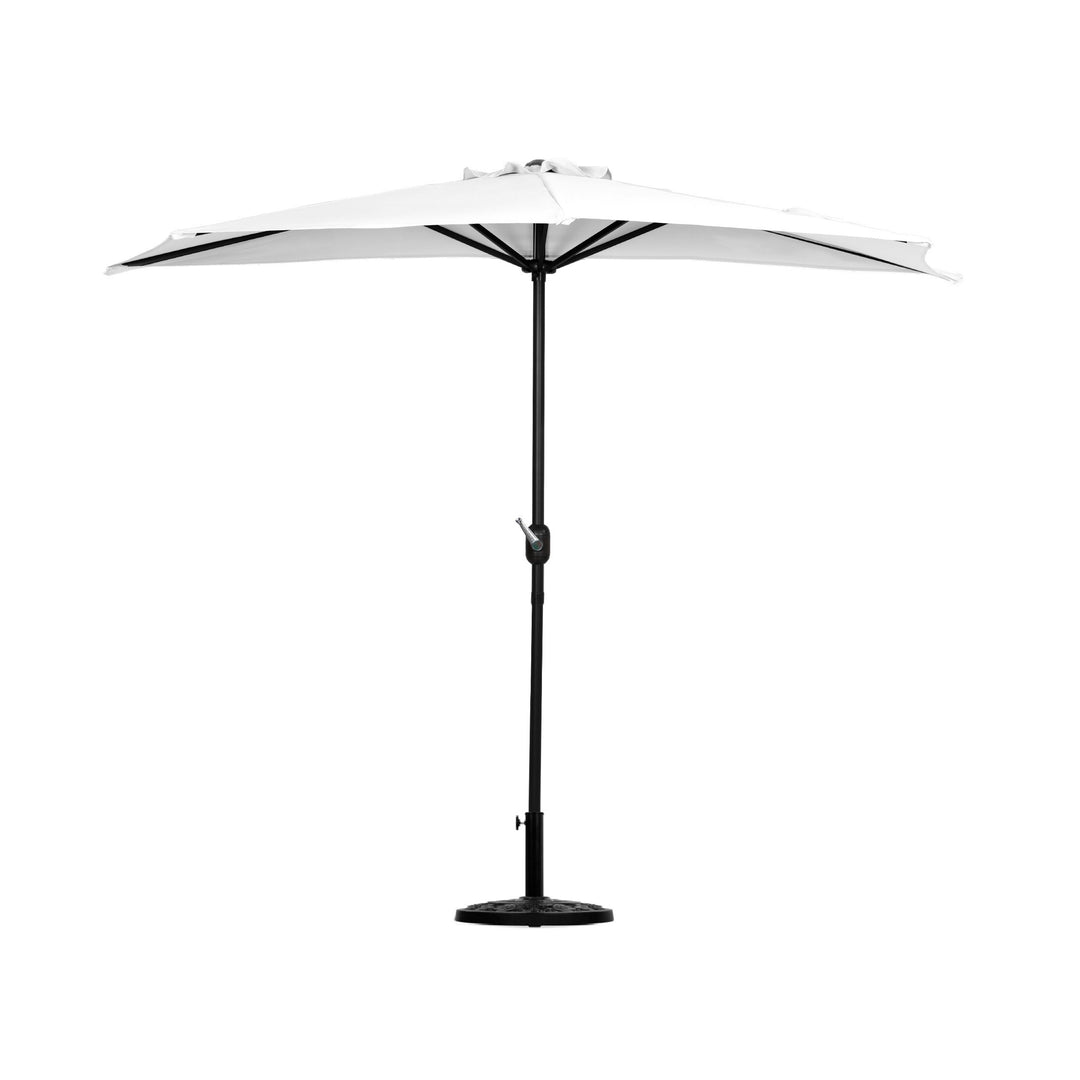
Outdoor shading comes in several main forms. Pergolas and gazebos are permanent or semi-permanent structures that define a space. Awnings and canopies attach to a wall or post for targeted coverage. Patio umbrellas are a flexible option that can move with the sun or be repositioned as needed.
How to Choose the Right Size and Coverage
Coverage area is one of the most important factors when selecting outdoor shading. Measure your seating or activity area first, then add 2–3 feet on each side for adequate shade. A single Albert 10 ft. Outdoor Cantilever Hanging Umbrella can cover a full dining set without center-pole interference, making it a practical choice for many layouts.
Materials Used in Outdoor Shade Products
Frames are commonly made from powder-coated aluminum or galvanized steel. Both resist rust and hold up well in humid or rainy climates. Canopy fabrics are usually polyester or HDPE mesh, which block UV rays while allowing some airflow. Denser fabrics offer more shade but may trap more heat underneath.
Materials Used in Outdoor Shade Products
Shading works best when combined with other outdoor comfort features. Reducing direct sunlight lowers the ambient temperature, but outdoor heating extends the usability of shaded spaces into cooler evenings and shoulder seasons. Together, these elements help create an outdoor area that stays comfortable throughout the day and into the night.
FAQs